
FAQ
Practical answers before a fitting, including the details that usually matter once a garment is in hand.
Do I need an appointment?
Yes for fittings and assessments. An appointment reserves enough time to see the garment on you and discuss the work properly.
What should I bring?
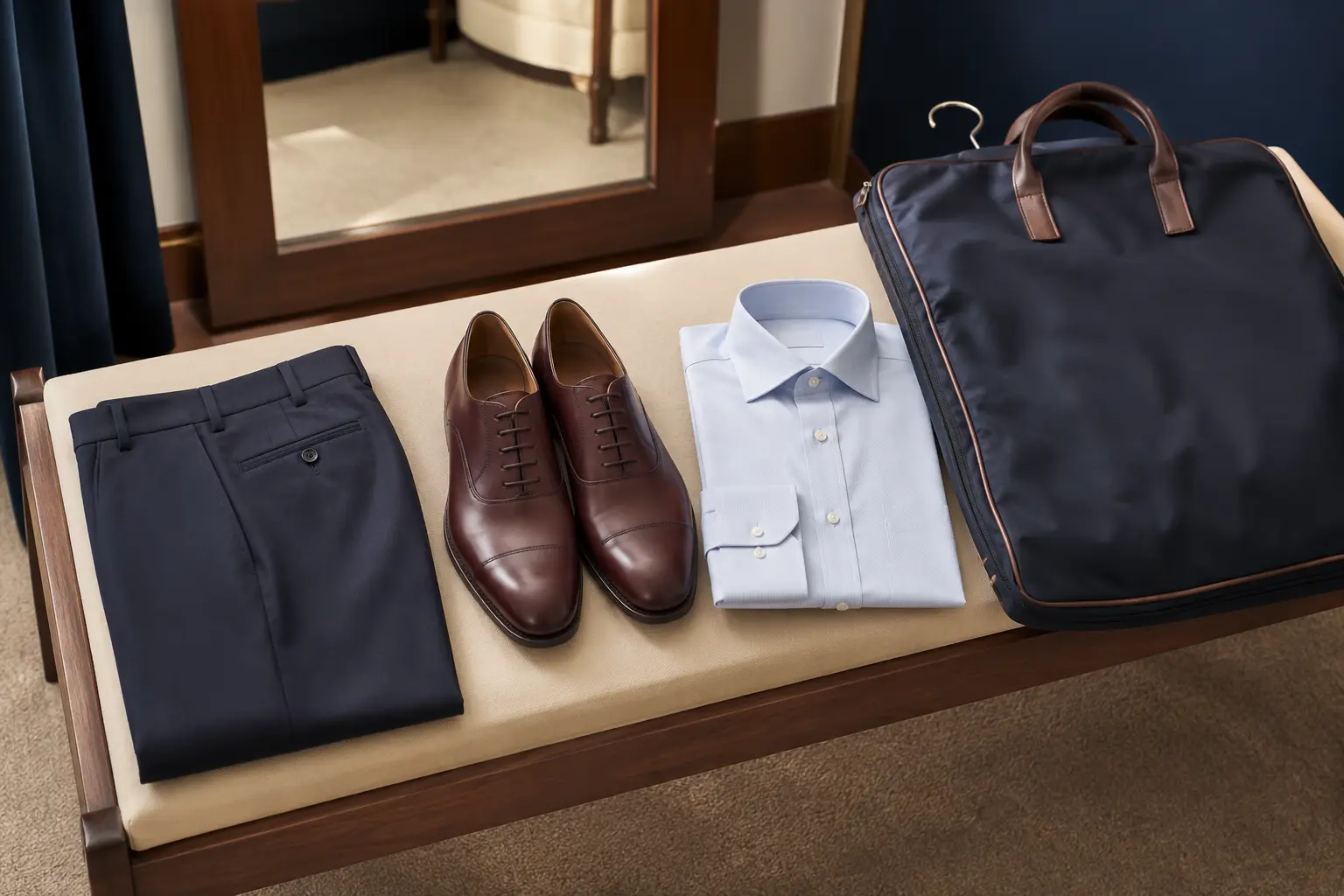
Bring the garment plus the shoes, shirt, belt or underlayers that change its position or length. For formalwear, bring the intended event pieces when possible.
Why is the online price sometimes only a starting price?
The same visible alteration can require very different work depending on lining, canvassing, seam allowance, fabric and previous repairs. We confirm the scope before starting.
How long do alterations take?
Timing depends on the garment and current workload. Simple work may be faster; structural tailoring, formalwear and restoration need more time. The atelier confirms an expected collection window after assessment.
Can every jacket or trouser be altered?
No. Construction and available cloth set real limits. We will say when a change would distort proportion, expose old stitching or risk the fabric.
Can you work on vintage or sentimental garments?
Yes, after an assessment. Fragile cloth and historic construction are approached conservatively and we may recommend limited repair rather than aggressive alteration.
How does online booking protect my time?
The calendar shows only eligible live slots. Once you submit valid details, the chosen time is temporarily held while contact verification is completed, reducing double booking.
Why do I verify email and phone?
The email link proves access to the supplied mailbox. When SMS verification is enabled, a separate code proves access to the supplied phone. The appointment becomes confirmed only after the required checks pass.
Will I receive reminders?
Yes. Confirmed appointments are placed in the reminder queue according to the atelier settings. Email delivery requires the live site to have working transactional mail.
What happens to my personal details?
Contact details and appointment history are used to run the booking and customer relationship. A live business must configure its approved GDPR privacy, retention, access and deletion procedures before launch.